
Blog
Sway Bar Link on Dodge Durango: Truck-Based SUV
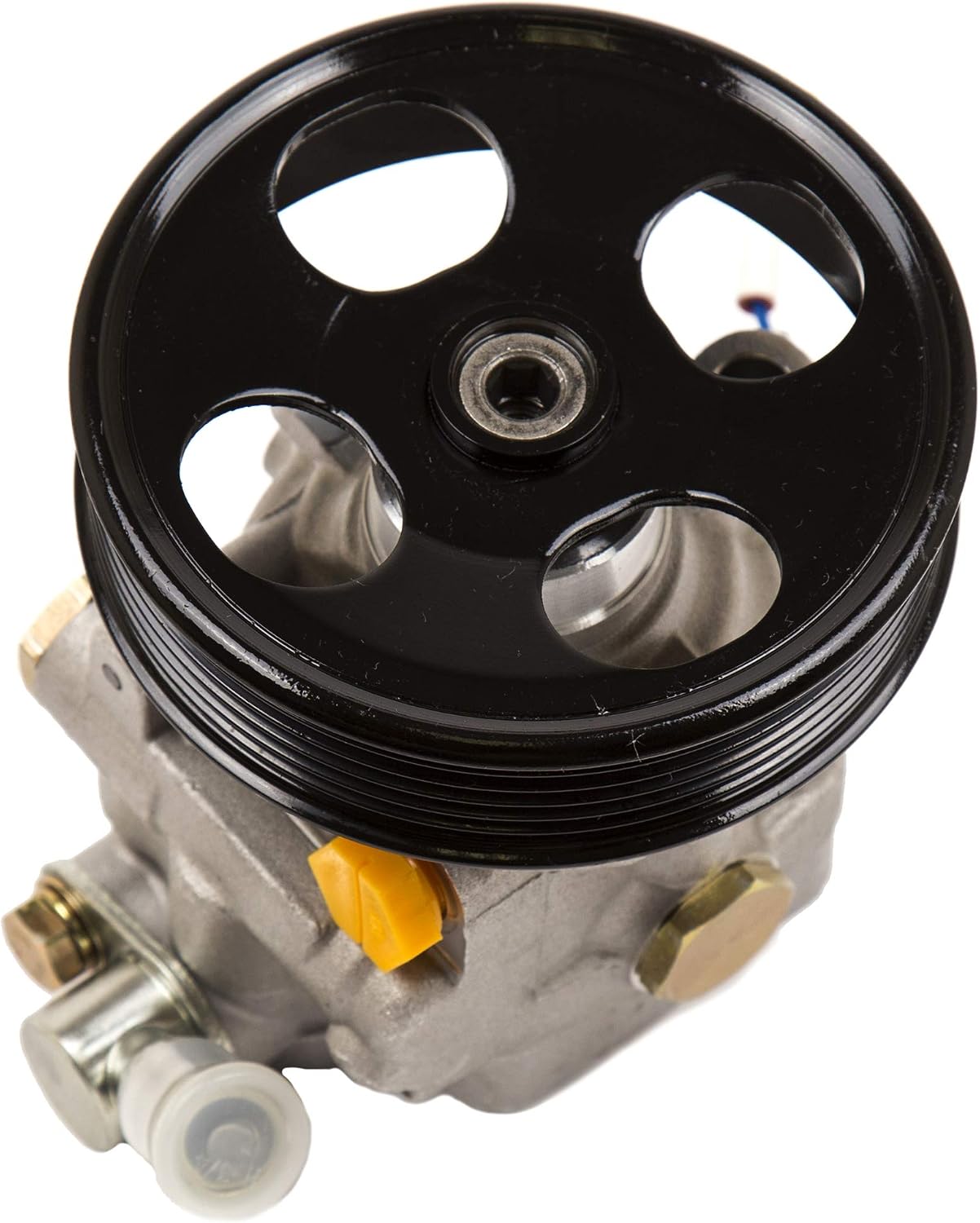
Sway bar links (stabilizer bar links) connect the sway bar to the suspension. They transfer body roll force between sides and keep the vehicle flat in corners. When a link wears, the bar becomes disconnected on one side, causing a rattle or clunk over bumps and increased body roll. This guide covers sway bar link noise, symptoms and replacement.
Common symptoms
- Rattling or clunking noise from the front or rear over bumps.
- Loose-sounding noise that disappears when braking or turning.
- Increased body roll when cornering.
- A wandering or unstable feel on winding roads.
- Visibly loose or disconnected sway bar link.
- Grease leaking from the link boot.
- Noise that worsens on rough roads or railroad tracks.
- A clunk when the vehicle goes over a speed bump.
How to inspect
- Raise the vehicle on jack stands with the wheels hanging.
- Grasp the sway bar link and try to move it up and down; any free play indicates a worn link.
- Visually inspect the boots for cracks, tears or grease leakage.
- Have an assistant bounce the corner of the vehicle while you listen for the rattle.
- Check the lock nuts at both ends; a loose nut can mimic a worn link.
- Compare left and right; a worn link is usually obvious side by side.
Troubleshooting flow
- Rattle over bumps with visible play at the link: the sway bar link ball joint has worn. Replace the link.
- Noise that only appears when cold: the link boot has dried out; if there is no play, monitor; if play develops, replace.
- Noise when turning but not going straight: the sway bar link or bushing is loaded; inspect both the link and the bar-to-frame bushing.
- Grease on the boot but no play: the boot is torn; replace the link before contamination causes failure.
- Increased body roll with no obvious play: the sway bar bushings at the frame may be worn; inspect them as well.
How to replace
- Loosen the lug nuts, raise the vehicle and remove the wheel if needed for access.
- Hold the stud with a wrench while removing the nut at both ends of the link.
- Remove the old link; note the order of washers and bushings.
- Install the new link with the correct hardware and torque the nuts to specification.
- For adjustable links, set the preload so the bar moves freely without binding.
- Lower the vehicle and road-test for the rattle.
Preventive tips
- Inspect sway bar links during every brake service or tire rotation.
- Replace both sides at the same time; they wear at similar rates.
- Use greasable links on vehicles exposed to water or salt; sealed links are maintenance-free but cannot be serviced.
- After a suspension lift or lowering, check link length; an incorrect-length link binds the sway bar and causes unusual handling.
FAQ
Can I drive with a bad sway bar link?
Yes for short distances, but body roll will increase and the rattle will drive you crazy. More importantly, a broken link allows the sway bar to flop around, potentially damaging hoses or wiring.
How much does sway bar link replacement cost?
Parts are typically $15 to $60 per side; labor is 0.5 to 1 hour. It is one of the cheapest suspension repairs.
Do I need an alignment after replacing sway bar links?
No. Sway bar links do not affect toe, camber or caster. They only affect body roll and stability.
Conclusion
A worn sway bar link is an easy and cheap fix. The rattle over bumps and the loose feeling in corners are the telltale signs. Replace both sides, torque to spec, and the sway bar will do its job again.