
Blog
Power Steering Hose on Chevrolet Camaro: Muscle Car Hose
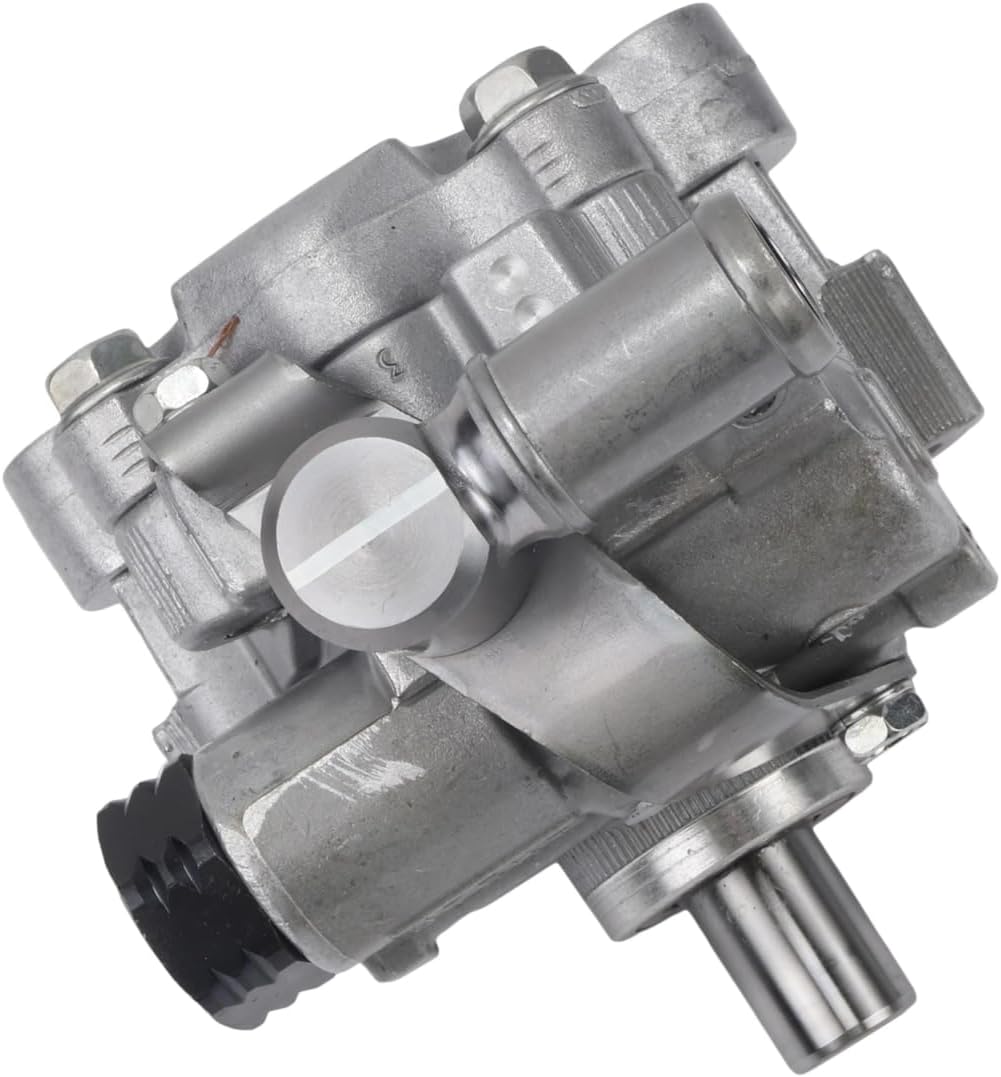
Power steering hoses carry high-pressure hydraulic fluid from the pump to the rack and return it to the reservoir. When a hose hardens, cracks or begins to weep, the symptoms are hard steering, whine, fluid loss and eventually total assist failure. This guide covers the common failure modes, how to pinpoint whether the pressure hose, return line or suction hose is at fault, and what to do about it.
Common symptoms
- Power steering fluid puddle under the front of the vehicle.
- Whine or groan that changes with engine rpm and steering input.
- Hard steering at low speed or when the engine is cold.
- Fluid level drops quickly between oil changes.
- Foamy or milky fluid in the reservoir.
- Steering feels vague or wanders on the highway.
- Smell of burning fluid near the hot engine.
- Whine that disappears after topping up the reservoir briefly.
Failure modes
- Pressure hose burst or seam leak: high pressure damages the inner liner; the wet spot usually appears near the crimp or fitting.
- Return hose collapse or softening: the return line pulls in air under vacuum, causing whine and foaming.
- Suction hose cracking: cracks near the reservoir or pump inlet draw in air; hard to see until the hose is squeezed.
- O-ring and seal failure at fittings: slow weep that worsens as the system heats up.
- Kinked or routed hose: a pinched line restricts flow and causes hard steering in one direction.
How to diagnose
- Check the fluid level cold and inspect the reservoir for foam or bubbles.
- With the engine running and the cap off, cycle the steering lock-to-lock and watch for aeration.
- Trace the hose from pump to rack and look for wetness, oil-soaked dust or cracked rubber.
- Inspect the suction hose by squeezing it; a soft or spongy hose collapses under vacuum.
- Check the return line for kinks, flat spots or heat damage near the exhaust.
- Clean the area, run the engine and use a mirror or inspection light to find the drip point.
Troubleshooting flow
- Whine plus foamy fluid: air is entering on the suction side. Replace the suction hose and re-bleed before buying a pump.
- Wet fitting but no visible crack: the O-ring is failing. Replace the seal and re-check; if the hose body is hardened, replace the whole hose.
- Hard steering in one direction only: the pressure hose may be kinked or internally restricted; inspect routing and replace if damaged.
- Fluid leak at the crimp: the hose has failed internally. Do not attempt to re-crimp; replace the assembly.
- Whine that only appears when hot: the return hose may be collapsing under heat; swap it and re-bleed.
How to replace
- Disconnect the battery negative and raise the vehicle on jack stands.
- Siphon or drain the power steering fluid into a catch pan.
- Loosen the hose clamps and disconnect the hose at both ends; cap the openings to limit fluid loss.
- Remove the old hose and compare it with the replacement for length, bend radius and fitting orientation.
- Install the new hose with new O-rings and torque the fittings to specification.
- Refill with the manufacturer-specified fluid and bleed the system by cycling the steering lock-to-lock with the engine off, then on.
- Check for leaks, recheck the level warm, and road-test for whine or hard steering.
Preventive tips
- Flush the power steering fluid at the OEM interval to prevent varnish buildup.
- Keep the reservoir between the min and max marks; low fluid causes whine and premature pump wear.
- Inspect hoses every oil change, especially the suction side and any section near the exhaust.
- Use only the specified fluid type; the wrong fluid degrades rubber and causes foaming.
FAQ
Can I drive with a leaking power steering hose?
Short distances only. A pressure hose can burst suddenly and leave you without steering assist; a return or suction hose causes whine and air ingestion but rarely total loss. Fix it promptly.
How much does hose replacement cost?
Parts typically range from $30 to $150 depending on the vehicle and hose type; labor runs 1 to 3 hours. Pressure hoses with crimped fittings cost more than return lines.
Do I need to flush the system after replacing a hose?
Yes. A broken hose can introduce debris and air; flush and refill before road-testing to avoid damaging the new pump.
Conclusion
A power steering hose leak is rarely a seal problem alone. Trace the wet spot, check the suction side for air leaks, and replace the complete hose assembly rather than patching it. With fresh fluid and a sound system, the whine and hard steering will be gone.