
Blog
Inner Tie Rod Noise: Vague Steering Symptoms
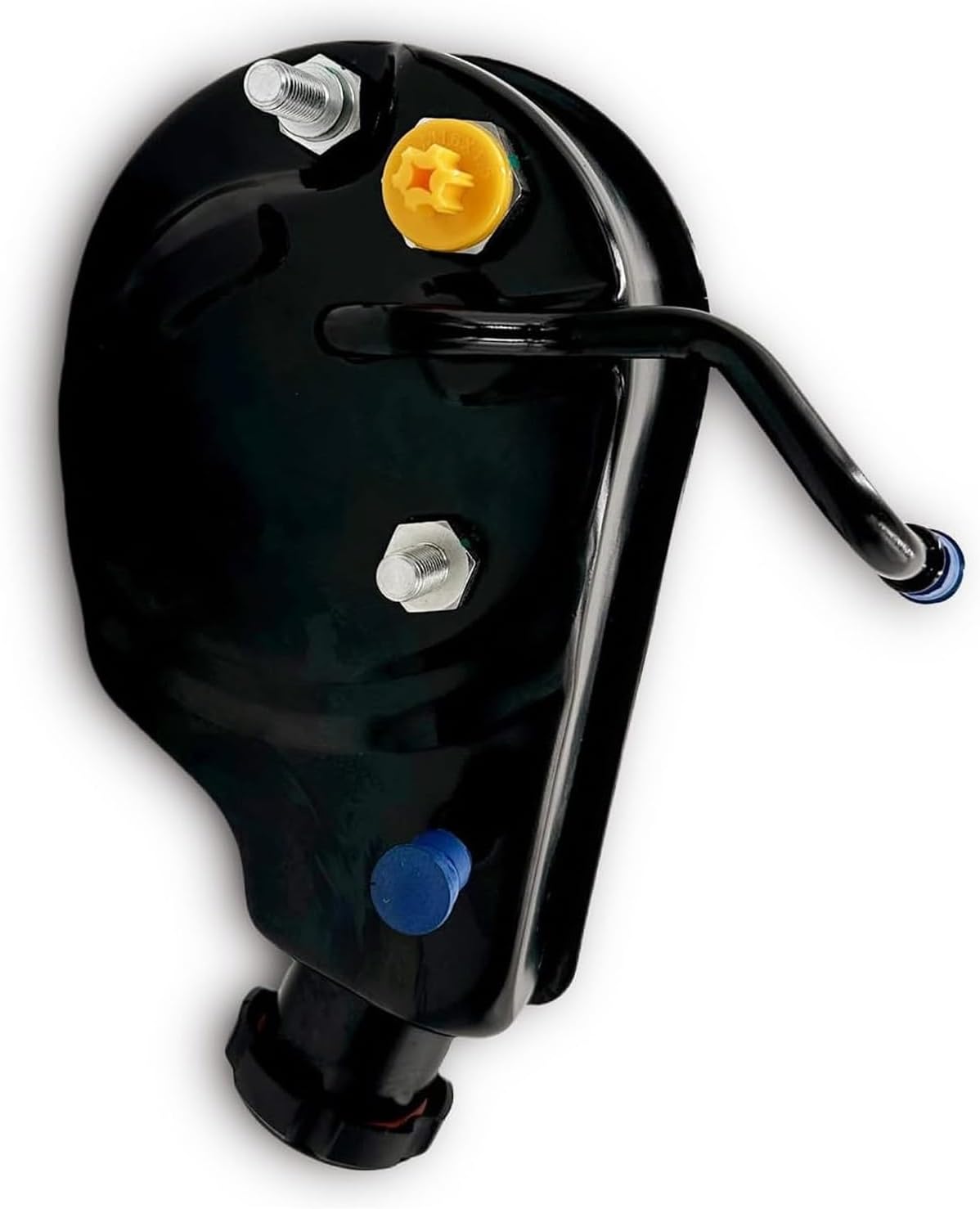
This troubleshooting guide covers inner tie rod noise: vague steering symptoms. It walks you through common symptoms, step-by-step diagnosis, replacement options, cost estimates and preventive maintenance tips.
Common symptoms
- Clunking, rattling or knocking noise from the front end over bumps.
- Steering wander, play or vague feedback.
- Uneven tire wear or a pull to one side.
- Grease leaking from rubber boots or seals.
- Vibration through the steering wheel or floor pan.
- Hard steering or uneven assist in one direction.
How to diagnose
- Raise the vehicle on jack stands with the wheels hanging free.
- Use a pry bar to check for play at the joint or bushing.
- Inspect rubber boots for cracks, tears or grease leakage.
- Grasp the tire at 9 and 3 o’clock and rock it in and out.
- Have an assistant turn the steering wheel slightly while you watch for movement.
- Compare left and right sides; wear is often obvious side by side.
- Road test to confirm the noise or steering feel under load.
Troubleshooting flow
- Clunk over bumps with visible play: the joint or bushing has worn; replace the affected component.
- Vague steering without obvious clunk: inspect inner linkage or mounting bushings; wear may be hidden inside a boot.
- Grease on the boot but no play yet: the boot is torn; replace the joint before contamination causes failure.
- Noise only when cold: the boot may be dried out; monitor and replace if play develops.
- Alignment will not hold: worn components are changing the geometry; replace before aligning.
How to replace
- Loosen the lug nuts, raise the vehicle and remove the wheel.
- Disconnect related components (sway bar link, tie rod, brake line).
- Remove the mounting bolts and separate the old part.
- Install the new part with new hardware; torque to specification.
- Lower the vehicle to rest on its wheels before torquing frame bushings.
- Get a front-end alignment after replacement.
Preventive tips
- Inspect steering and suspension components during every oil change.
- Replace both sides when wear is due to age or high mileage.
- Watch for torn boots; dirt entering the joint accelerates wear.
- Avoid potholes and rough railroad crossings; impact is the #1 cause of failure.
FAQ
Can I drive with a bad component?
Short distances only. Worn steering or suspension parts compromise handling and tire wear; replace promptly for safety.
How much does replacement cost?
Parts typically range from $20 to $200 depending on the component and vehicle; labor runs 1 to 3 hours. Always align after.
Do I need an alignment after replacement?
Yes. Any steering or suspension component that affects toe, camber or caster requires a professional alignment.
Conclusion
Addressing worn steering and suspension components promptly prevents tire wear, maintains handling and avoids more expensive repairs. Always follow the manufacturer torque specifications and perform a professional alignment after replacement.