
Blog
Clunking Over Bumps: Which Component
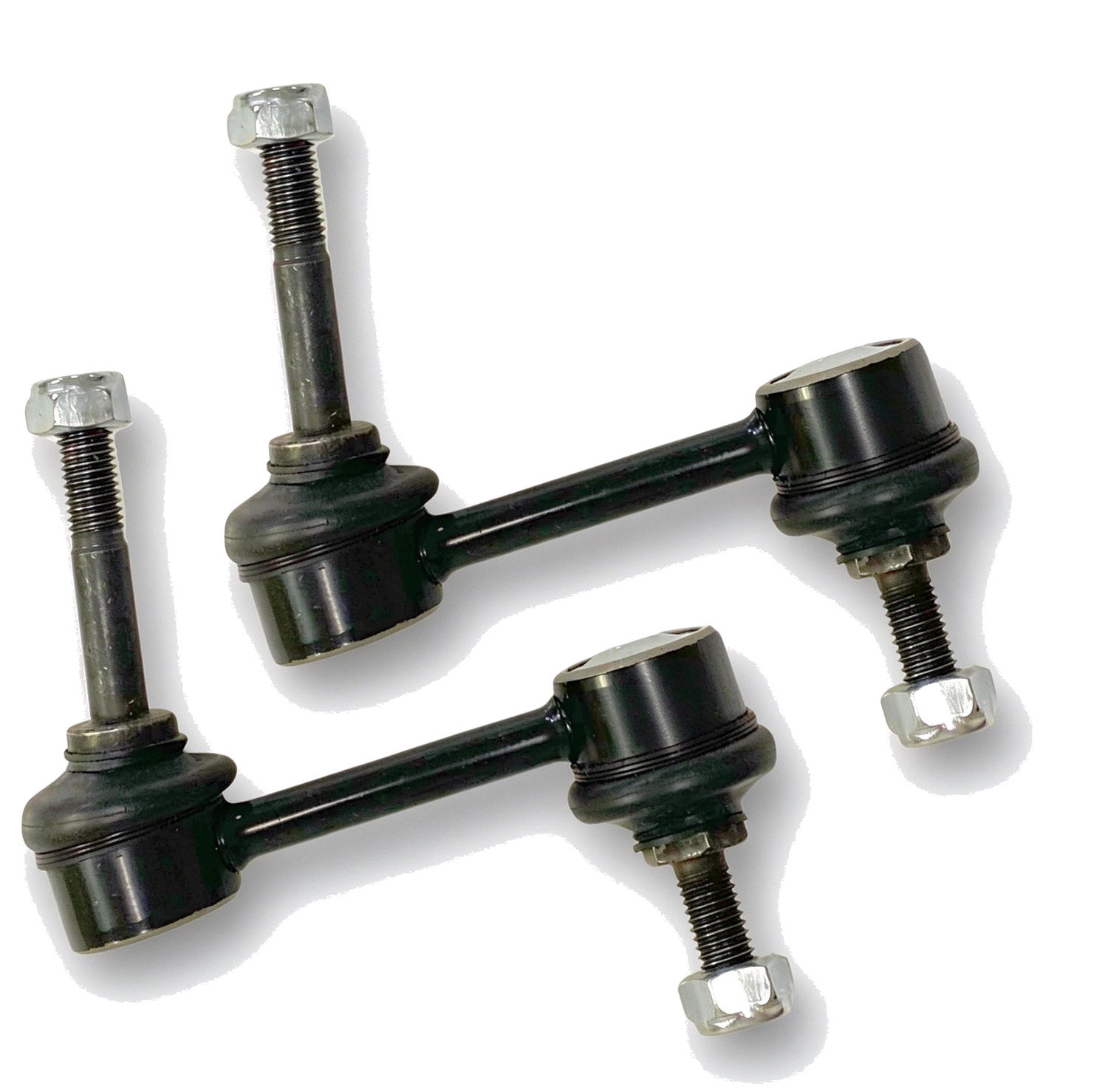
This guide explains clunking over bumps: which component on automotive steering and suspension systems, covering what the symptom means, how to confirm it and how to fix it properly.
Common symptoms
- Noise or vibration at idle or low speed
- Steering effort differs between left and right turns
- Fluid seepage or wet spots on components
- Uneven or accelerated tire wear
- Play or looseness felt through the steering wheel
- Clunk or knock over bumps
How to diagnose
- Raise the vehicle on jack stands and support it safely
- Inspect related parts for play, cracks and leaks
- Check fluid level, colour and for air bubbles
- Rock the wheel at 9 and 3 o’clock to feel for looseness
- Have an assistant turn the wheel slowly while you observe
- Compare left and right side for symmetrical wear
- Confirm the symptom on a road test at several speeds
Troubleshooting flow
- Noise with visible play: the worn part has failed, replace it rather than re-greasing.
- Fluid loss without a visible drip: check internal seals and the return line before adding fluid.
- Symptom only when cold: degraded fluid or a drying seal, monitor the leak rate weekly.
- Play but no noise: worn linkage or mount bushings, measure before replacing.
- Symptom after a repair: verify torque, alignment and air bleeding before condemning new parts.
Repair steps
- Loosen fasteners, lift the vehicle and remove the wheel
- Clean the area so the fault and secondary damage are visible
- Replace the failed component with the correct rated part
- Use new hardware and torque to specification
- Refill and bleed the system, then check for leaks under pressure
- Torque suspension fasteners with the vehicle at ride height
- Road test and complete a four-wheel alignment
Prevention
- Inspect steering and suspension parts at every oil change
- Replace worn parts in pairs to keep geometry balanced
- Keep fluid clean and at the correct level
- Avoid potholes, curbs and rough railroad crossings
- Re-check torque and alignment after any impact
FAQ
Can I keep driving with this problem?
Short trips only. The symptom points to a part that is already degrading and failure can become sudden at highway speed.
How much does the repair cost?
Parts usually run from 20 to 200 USD depending on the component, with 1 to 3 hours of labour for a typical repair.
Do I need an alignment afterward?
Yes. Any repair that changes toe, camber or caster must be followed by a professional four-wheel alignment.
Conclusion
Fixing clunking over bumps: which component early protects tyres, keeps steering feel predictable and prevents secondary damage to neighbouring parts. Always torque to specification and align afterwards.