
Blog
542019110 Power Steering Pump Noise Diagnosis for Caterpillar 3406
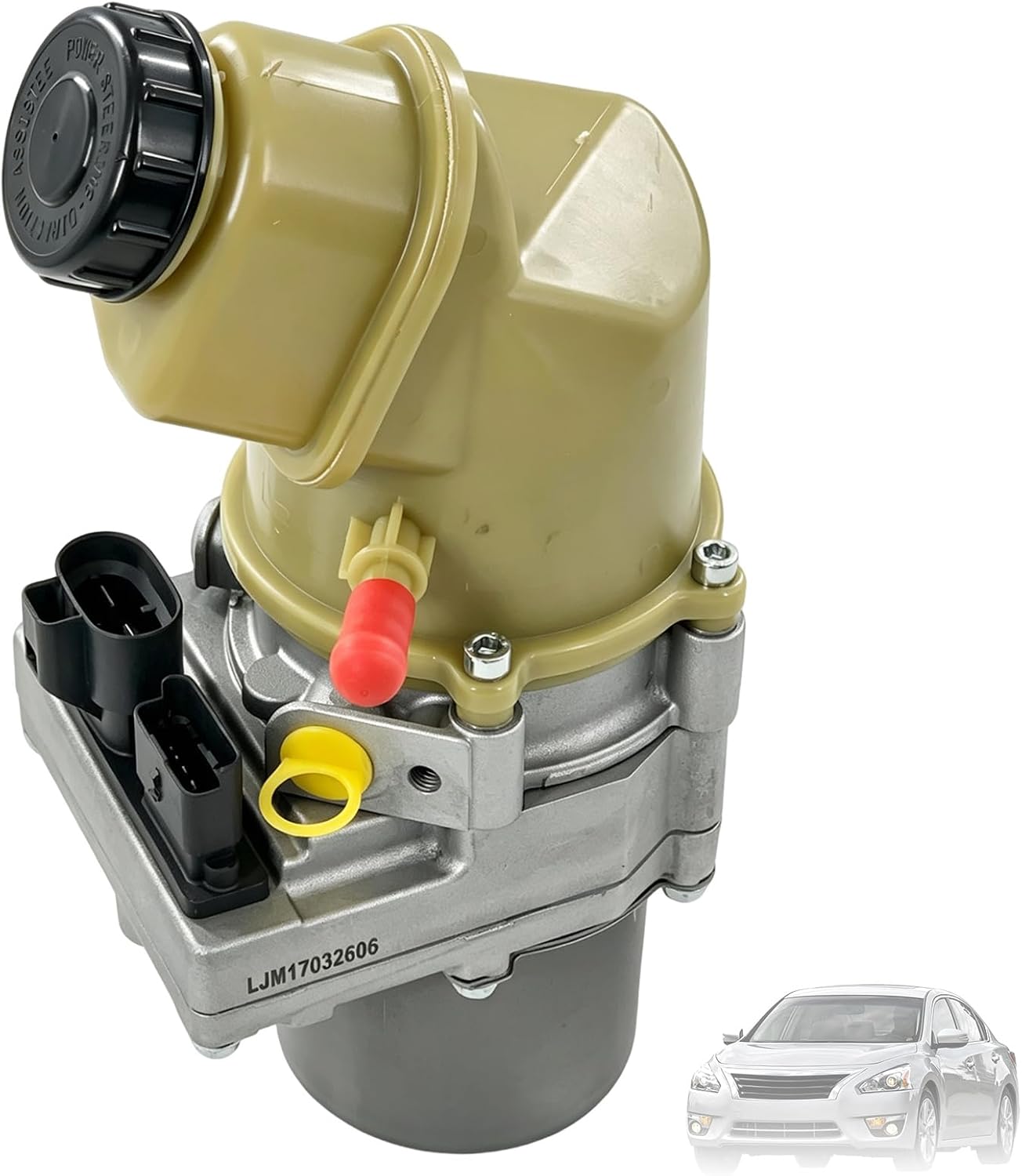
The 542019110 power steering pump is the direct-fit hydraulic replacement for the Caterpillar 3406 and Cummins L10 / M11 engines. This OE-matched pump restores factory flow and pressure and is pressure-tested and leak-checked before shipment. Whine at idle, hard steering at low speed and oil weeping from the shaft seal are the most common failures on this platform, and they almost always trace back to the pump cartridge, the suction hose or the belt drive.
Fitment
– for Caterpillar 3406 and Cummins L10 / M11 engines
Rotation: Counter-clockwise (CCW), Left-hand.
Replaces / Cross-Reference: verify before ordering.
- 542027310
- 1686649C91
Signs that the pump needs attention
- Whine that appears during parking-lot turns and fades at highway speed.
- Fluid level drops between service intervals from a weeping shaft seal.
- Steering feels heavy at low speed, especially when the engine is cold.
- Foamy or milky fluid in the reservoir after hard use.
- Groan at full lock that worsens as the fluid warms up.
- A squeal from the belt area on cold start.
- The whine returns quickly after a simple top-off.
- Metal flakes in the fluid on high-mileage pumps.
Fault types and what they sound like
- Whine (high-pitched, rpm-related): usually air in the system, a worn pump cartridge, or a clogged filter/suction screen. Common after a flush or when fluid is low.
- Groan / moan at full lock: typically aeration or over-return pressure; check fluid level and the return line first.
- Squeal at the pulley: belt slip, a worn pulley, or a seized shaft bearing; not always a pump-internal fault.
- Chatter / shudder while turning: often a failing control valve or a low-pressure condition from a worn cartridge.
- Hard steering with no noise: points to the steering gear, a leaking hose, or a bypassing pressure-relief valve rather than the pump housing.
Why it happens
- Weeping pump shaft seal causing slow fluid loss.
- Air pulled in through a cracked suction hose.
- Worn pump cartridge after heavy-duty service.
- Contaminated fluid from neglected flush intervals.
- A glazed or slipping drive belt on the pulley.
Troubleshooting flow
- Whine at idle that follows engine rpm: with the cap off, cycle lock-to-lock and watch for foam. If foaming, the suction side is leaking air – replace the suction hose and re-bleed before buying a pump.
- Noise only when hot: worn cartridge or thinning fluid. Replace fluid first; if noise returns, the pump needs replacement.
- Noise plus a wet shaft area: the shaft seal is weeping. Replacing the pump resolves both the leak and the whine.
- Metal particles in the fluid: internal wear. Flush the system and fit a new pump; flush the steering gear side as well to avoid re-contamination.
- Pump okay but steering still hard: test flow with the return line disconnected into a container. Weak flow means pump wear; strong flow points to the gear or valve.
How to check it
- Check the fluid level cold and look for foam or bubbling.
- Inspect the suction hose and reservoir cap seal for cracks.
- Listen for whine with the cap off at idle and under light load.
- Check belt tension and condition before condemning the pump.
- Inspect the return line for kinks that add back-pressure.
Preventive checks
- Replace fluid at the OEM interval to prevent varnish and pump wear.
- Keep the reservoir between the min/max marks – low level is the #1 cause of whine.
- Inspect the suction hose every service; a soft or cracked hose pulls in air.
- Use only the specified fluid type; the wrong fluid causes foaming and chatter.
How to fix it
- Siphon or drain the old fluid into a clean container.
- Loosen the drive belt and remove the pulley or pump bolts as required.
- Disconnect the pressure, return and suction hoses and cap them to limit fluid loss.
- Remove the pump, transfer the pulley and bracket, and mount the replacement with a new gasket or O-ring.
- Refill with the specified fluid and bleed the system by cycling the steering lock-to-lock.
- Recheck the level warm, inspect for leaks, and confirm the whine is gone.
Choosing the right replacement
- Confirm rotation (Counter-clockwise (CCW), Left-hand) before ordering; a wrong-direction pump will not build pressure.
- Match the pulley offset and drive type to your existing setup.
- Compare the cross-reference numbers above to confirm compatibility.
- Choose a pressure-tested, leak-checked unit to avoid repeat labour.
FAQ
Can I just add fluid instead of replacing the pump?
Only if the whine is air in the system; if the seal is leaking or the cartridge is worn, top-offs will not fix it.
How long does a replacement take?
On most trucks, one to three hours including belt work and bleeding, depending on access.
Do I need to replace the pulley too?
No, the original pulley and bracket transfer onto the new pump when in good condition.
Conclusion
The 542019110 pump is a drop-in fix for whine and hard steering on the Caterpillar 3406 and Cummins L10 / M11 engines. Pair it with fresh fluid, a sound belt and clean hoses, and the system will run quietly for years.